Our Journey
Our Chief Instructor Hideki Ishikawa and Instructor Takahiro Koyama began training together from an early age at the Goju-Ryu Kenshokai International Karate Federation. Through years of training, competition, and mutual growth, karate became a foundation that would shape both their lives.
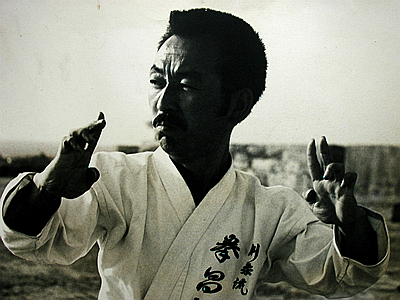
Their teacher, Shojiro Jibiki Sensei, the founder and first Headmaster of Kenshokai, was a pioneer who dedicated himself not only to preserving the traditions of Goju-Ryu, but also to advancing competitive karate, particularly kumite.
Jibiki Sensei founded the All Japan Junior Karate Federation and created opportunities for young karate practitioners to compete internationally through overseas tours and international tournaments. His forward-thinking efforts made a significant contribution to the development of junior karate in Japan.
Following the passing of Shojiro Jibiki Sensei, Hideki Sensei and Taka Sensei continued their training under his successor, Kazuhiro Jibiki Sensei, the second-generation Headmaster of Kenshokai, further deepening their understanding of both traditional and competitive karate.
This rich lineage, together with the sincere dedication to karate that has been passed down through generations, is one of the most important legacies we hope to carry forward to the next generation.
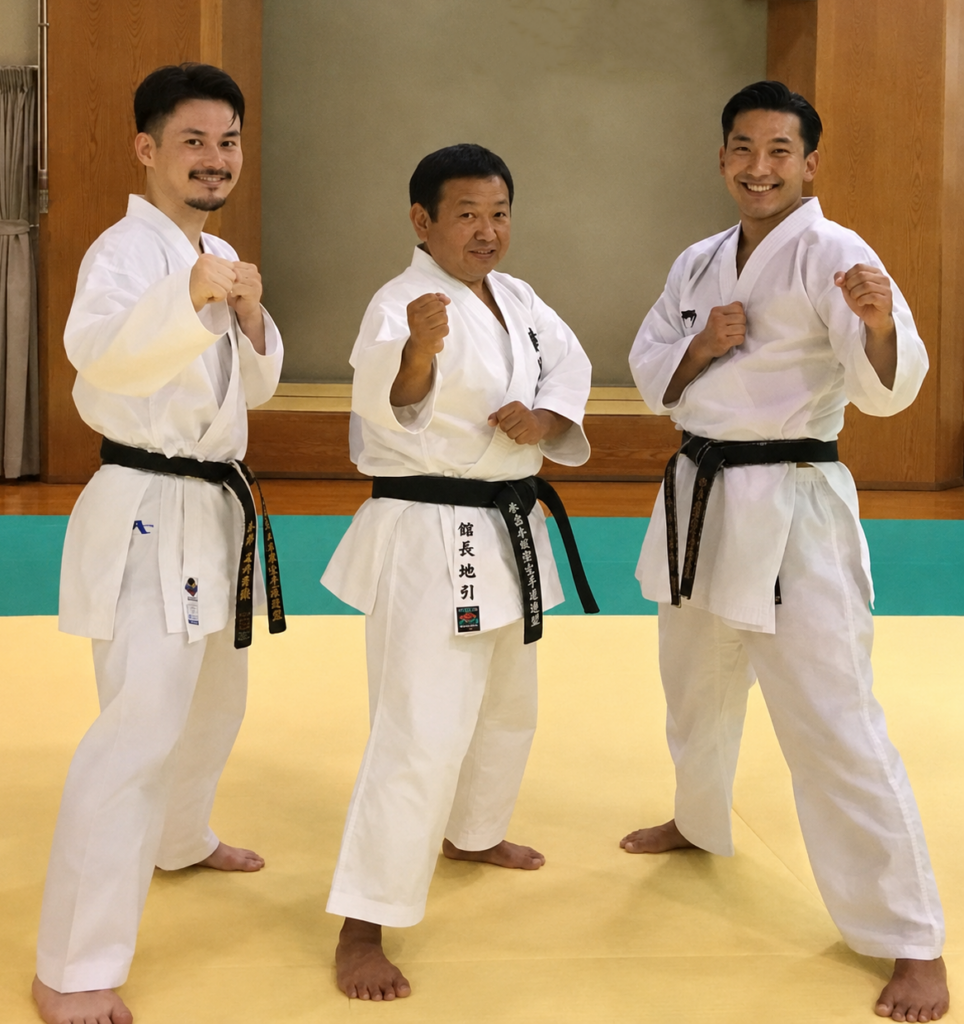
Chief Instructor — Hideki Ishikawa
Hideki Sensei showed exceptional ability in sparring (kumite) from an early age. Before the establishment of today’s All Japan Boys and Girls Karate Championships, he competed in the All Japan Junior Karate Championships, which brought together leading dojos from across Japan, and finished as national runner-up for two consecutive years in the fifth and sixth grades.
His achievements earned him selection to represent Japan at the elementary school level. He went on to win championships in Colombia, South America, and at the All Hawaii Karate Championships, gaining international competition experience from a young age.
Hideki Sensei attended private middle and high school in Tokyo. As his school did not have a karate club, he founded one himself so that he could continue training and competing. During his high school years, he was selected as a Tokyo Karate Federation elite athlete.
While continuing to compete at a high level, his ability was recognized early, and while still in high school, he became involved as an instructor from the founding of the U.S. Embassy Karate Club in Tokyo. This experience marked the beginning of his journey as a karate instructor.
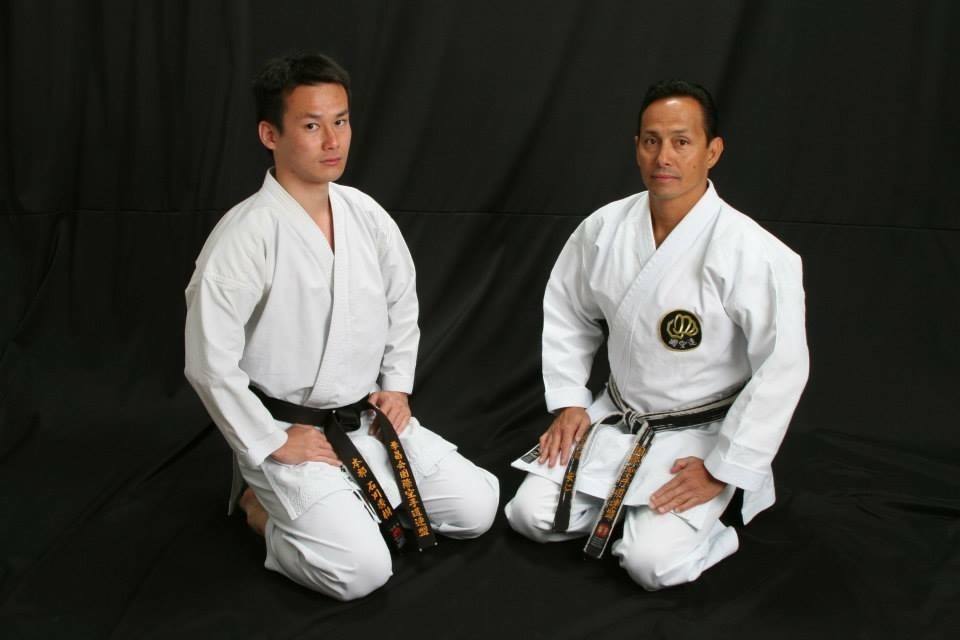
After graduating from high school, Hideki Sensei moved to Sacramento, California, to attend university. There, he studied competitive karate under Sensei John Limcaco of the International Karate Federation (IKF), one of the leading karate coaches in the United States and a mentor to numerous world champions. Training in this elite environment allowed Hideki Sensei to further develop his skills at the highest international level.
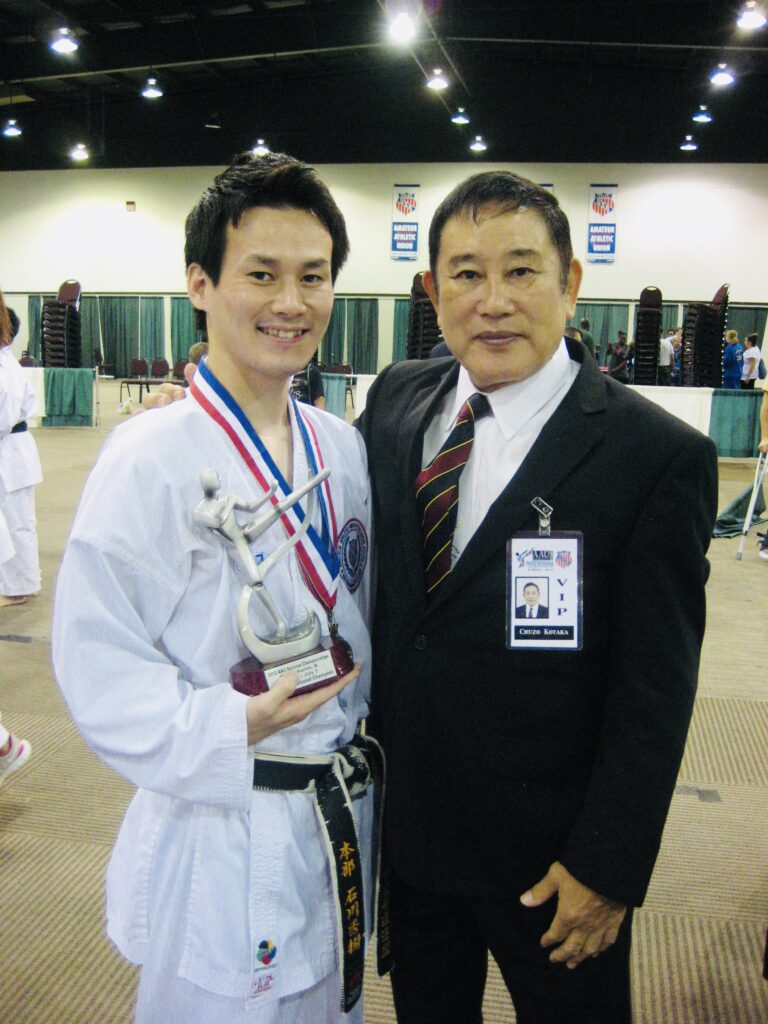
In 2010, Hideki Sensei won the lightweight division at the Amateur Athletic Union (AAU) USA National Karate Championships. In 2012, despite being a lightweight competitor, he went on to win the AAU USA National Championship in the open-weight division.
That same year, he represented the United States at an international tournament organized by the World Karate Confederation (WKC) in Estonia, where he finished runner-up.
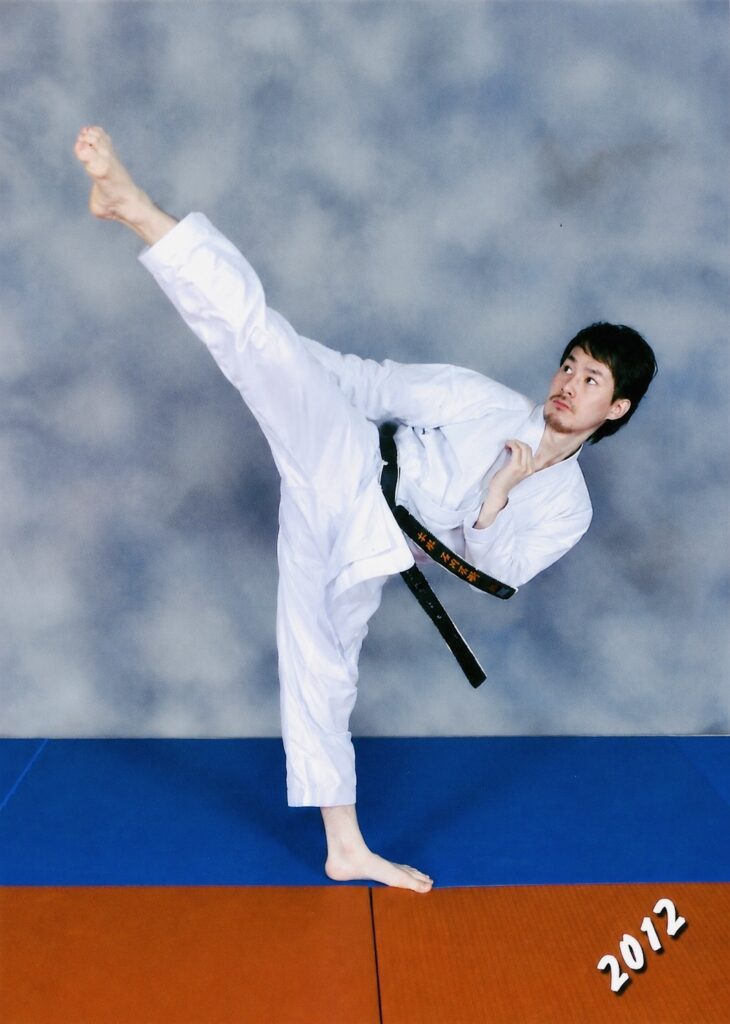
After returning to Japan, Hideki Sensei was again selected as a Tokyo Karate Federation elite athlete, and continued competing at a high level. At the same time, he served as a technical coach for the University of Tokyo Karate Club, working with university students to develop their karate skills.
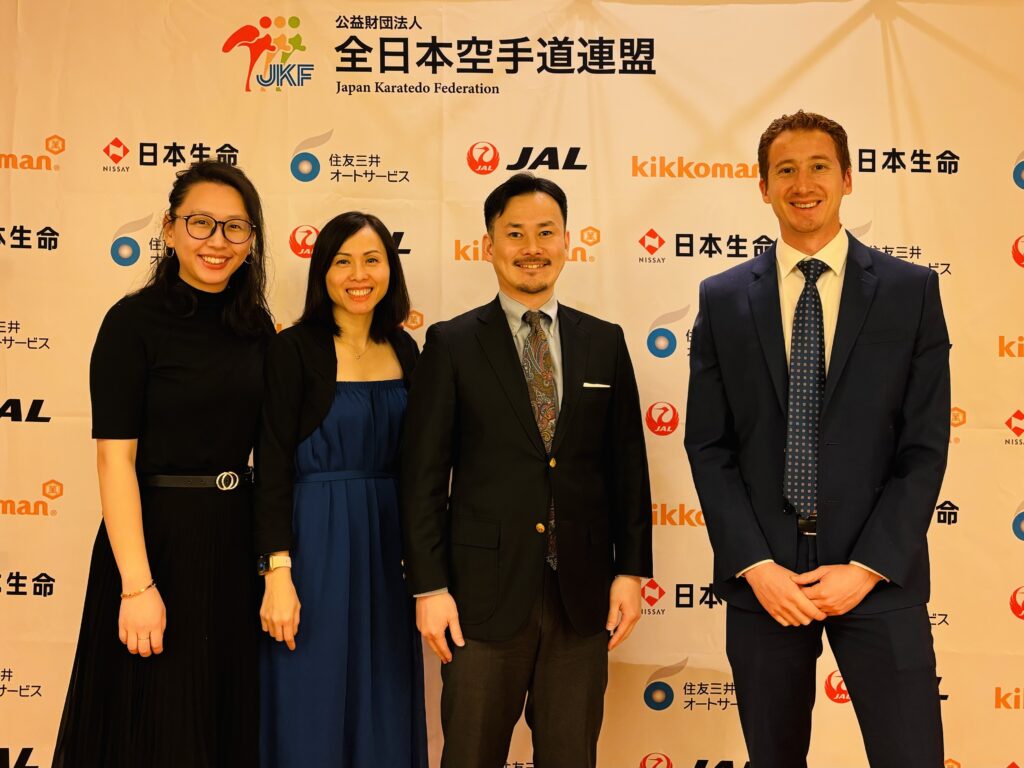
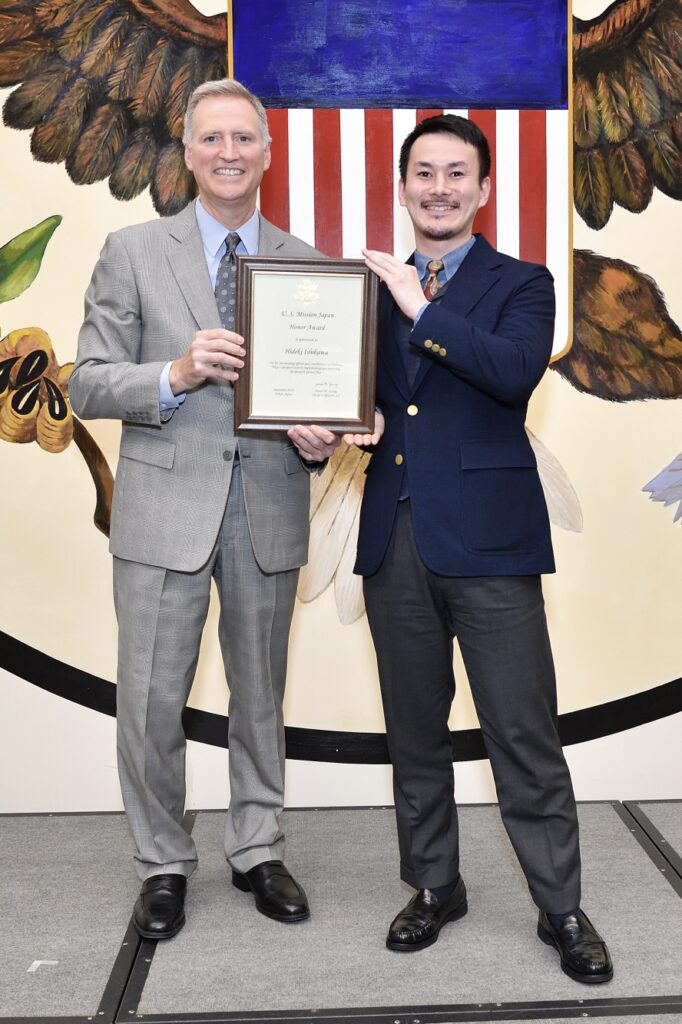
He later joined the Consular Section of the U.S. Embassy in Tokyo through the recommendation of a senior colleague. During his ten years at the Embassy, he worked in U.S. passport services, visa operations, and fraud prevention investigations.
Alongside his Embassy career, Hideki Sensei continued teaching at the U.S. Embassy Karate Club and eventually succeeded his senior colleague as its chief instructor. From his high school years to the present, he has spent more than 20 years teaching karate to diplomats and their families, as well as students from a wide range of nationalities and cultural backgrounds.
His competitive experiences in Japan, the United States, and international tournaments, together with his years living abroad and working at the U.S. Embassy, have given him a deep understanding of different cultures, perspectives, and values.
All of these experiences form the foundation of the teaching philosophy of Sakura Karate Dojo today.
Our Vision for Martial Arts Education
Drawing on nearly 20 years of experience teaching karate to people across national and cultural boundaries, Hideki Sensei founded Goju-Ryu Sakura Karate Dojo in January 2026 with a vision of helping people grow through the practice of karate.
Taka Sensei, who has walked the path of karate alongside Hideki Sensei since childhood and shares the same vision, joined him as an instructor.
The competitive, teaching, and international experiences that Hideki Sensei and Taka Sensei have accumulated throughout their respective journeys—and the lessons they have learned along the way—have shaped the educational philosophy of Sakura Karate Dojo today.
At Sakura Karate Dojo, our approach to martial arts education is built on four pillars:
Traditional Karate
Competitive Karate
Japanese Values
Global Mindset
Our mission is to pass on the experiences and lessons we have gained throughout our journey to the next generation—not only by teaching karate techniques, but by nurturing respect, compassion, an understanding of different cultures and values, and the confidence to step out into the world.
We are committed to supporting each child’s growth so that they can spread their wings from Japan to the world.
That is, and always will be, the mission of Sakura Karate Dojo.